


Knowledge
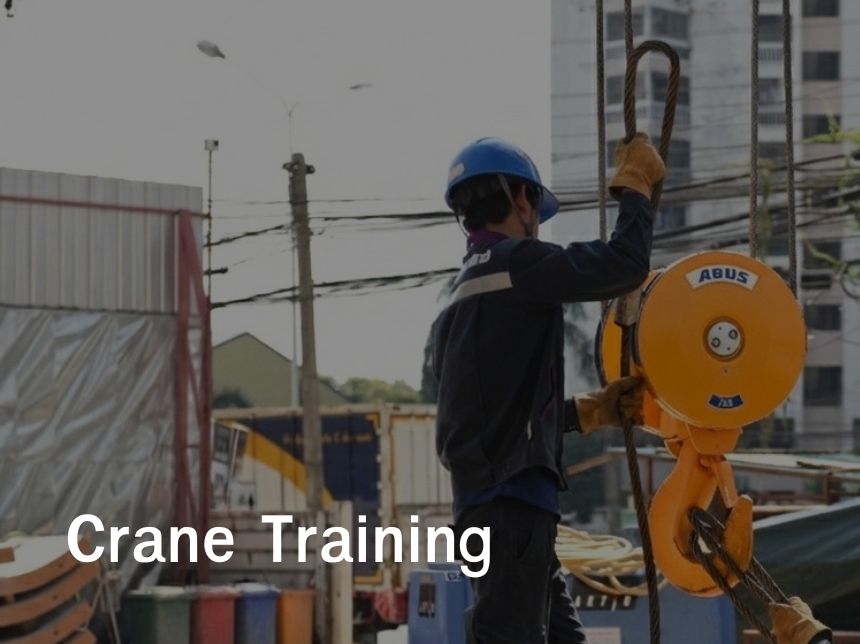
How Important is Crane User Training?
How Important is Crane User Training?
Crane User Training is a legal requirement in Thailand and is critically important for workplace safety. Over 80% of crane-related accidents are caused by human error, not equipment failure. Proper training ensures that operators use cranes safely, reduce risks, and comply with legal standards.
Why is Crane Training So Important?
Concerning Statistics
According to international workplace safety organizations, over 80% of crane accidents are caused by human error, including:
- Overloading — 34%
- Improper rigging — 28%
- Failure to inspect equipment before use — 15%
- Miscommunication between rigger and operator — 12%
- Lack of knowledge of load path — 11%
All of these causes are preventable with proper training.
Consequences of Crane Accidents
- Worker injuries or fatalities
- Severe damage to cranes and materials
- Production shutdowns
- Legal penalties for employers and supervisors
- Damage to company reputation
What Does Thai Law Require?
Ministerial Regulation on Safety Management for Cranes (B.E. 2554 / 2011)
Key Training Requirements:
- Crane Operators must complete certified training and hold a valid competency certificate
- Riggers / Signal Persons must be trained and understand standard hand signals
- Employers must provide training and refresher courses regularly
- Refresher Training is recommended every 1–3 years or when changing crane types
Legal Consequences:
Employers who fail to provide proper training and cause accidents may face civil and criminal liability, including compensation and possible imprisonment.
5 Golden Rules for Safe Lifting Operations
Rule #1: Never Exceed SWL (Safe Working Load)
SWL (or WLL – Working Load Limit) is the maximum safe load defined by the manufacturer.
What to do:
- Know the SWL of the crane, hoist, and all slings
- System SWL = the lowest rated component
- If unsure of load weight → weigh it before lifting
- No exceptions — even for “just one lift”
Rule #2: Always Perform Pre-use Inspection
Checklist:
- Hook: no cracks, deformation, safety latch functional
- Wire rope / chain: no broken strands, rust, or kinks
- Sling: no damage, clear capacity tag
- Limit switch: stops at upper limit
- Brake: holds load securely
- Control: all buttons function properly
Rule #3: Never Lift Loads Over People
Even light loads can be fatal if dropped.
Best practices:
- Give warning signals before lifting
- Ensure area is clear of personnel
- Use tag lines to control load instead of hands
Rule #4: Lift Vertically — No Side Pulling or Dragging
Cranes are designed for vertical lifting only.
Risks of improper lifting:
- Sling overload due to angle forces
- Hook deformation
- Structural damage to hoist
Check: Sling/chain must be vertical before lifting
Rule #5: Clear Communication at All Times
Standard hand signals (ASME B30.2):
- Hoist Up: index finger pointing up, rotating
- Hoist Down: finger pointing down, rotating
- Stop: palm facing outward
- Emergency Stop: both palms outward
- Move Bridge: arm extended pointing direction
Golden rule: If unclear — STOP immediately
ONVALLA Crane Training Program — What’s Included?
Module 1: Theory & Legal Requirements (2–3 hours)
- Crane types and components
- Thai safety regulations
- Duty cycle, SWL, rigging angles
Module 2: Pre-use Inspection (1–2 hours)
- Inspection of hook, rope, sling, controls
- Recording inspection results
- Out-of-service criteria
Module 3: Rigging Techniques (2–3 hours)
- Selecting the correct sling
- Effect of rigging angles on SWL
- Load securing methods
- Center of gravity and load balance
Module 4: Communication (1 hour)
- Standard hand signals
- Radio communication
- Roles of rigger vs operator
Module 5: Practical Training (Half–1 day)
- Hands-on training with actual cranes
- Inspection testing
- Simulated lifting scenarios
Training Outcomes
- Each participant receives a training certificate with photo
- Company receives training records for audit purposes
Frequently Asked Questions (FAQ)
Q: How often is training required by law?
A: The law does not specify an exact frequency, but best practice is refresher training every 1–3 years or when changing crane types.
Q: Who must attend training?
A: All personnel involved, including Crane Operators, Riggers, Signal Persons, and Supervisors.
Q: Can ONVALLA provide in-house training?
A: Yes. ONVALLA offers on-site training using the customer’s actual cranes, ensuring familiarity with real equipment.
Q: How many participants per session?
A: Recommended 8–15 people per class for effective hands-on practice.
Q: Are certificates valid for audits?
A: Yes. Certificates include course details, date, and competency results, and can be used for ISO 45001 and customer audits.