What Is an EV Charger? How to Choose the Right EV Charging Solution
What an EV charger is and how to choose one: vehicle charging capability, charger power, installation location and how the charger will be used.

How to choose, compare and use the right equipment: practical checklists and comparisons from our engineers.
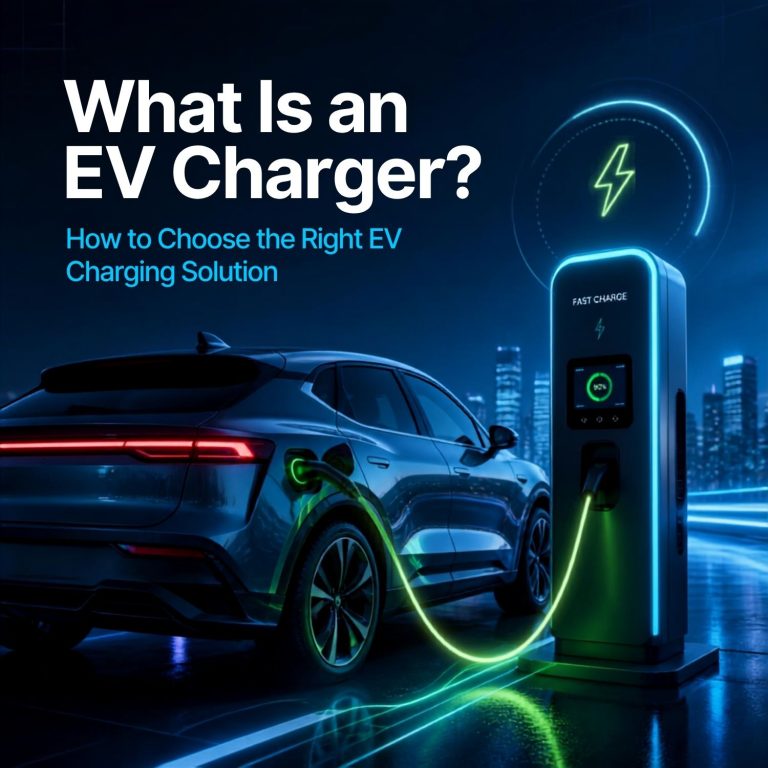
What an EV charger is and how to choose one: vehicle charging capability, charger power, installation location and how the charger will be used.
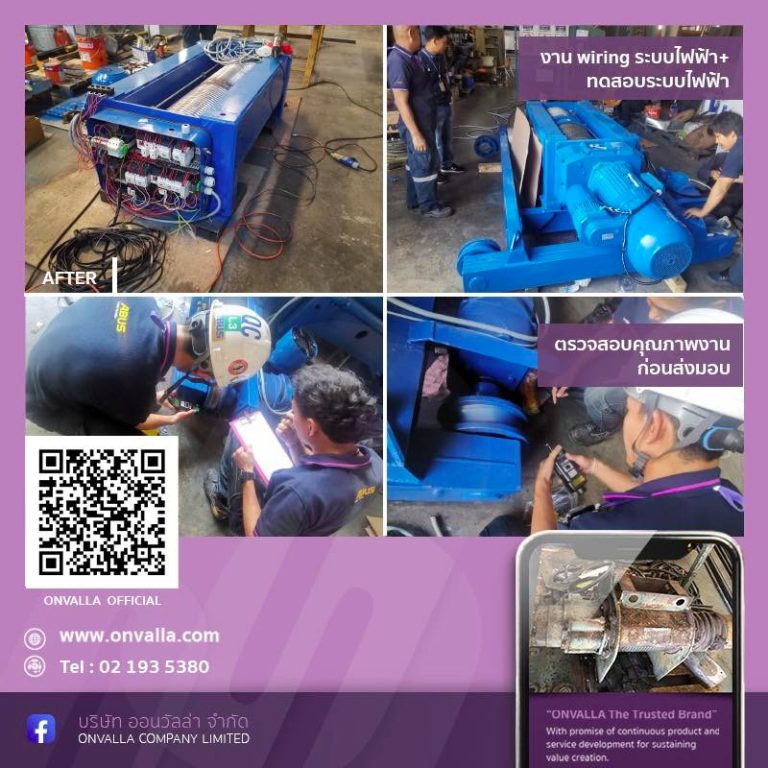
Decide between overhaul, retrofit and a new crane using crane age, the 50% rule of thumb, downtime cost and the safety/technology gap. Comparison table and FAQ.

European hoists favour compact FEM-based design, inverter control and electronic overload limiters; Asian hoists favour lower prices and simple mechanics. Compare and choose.
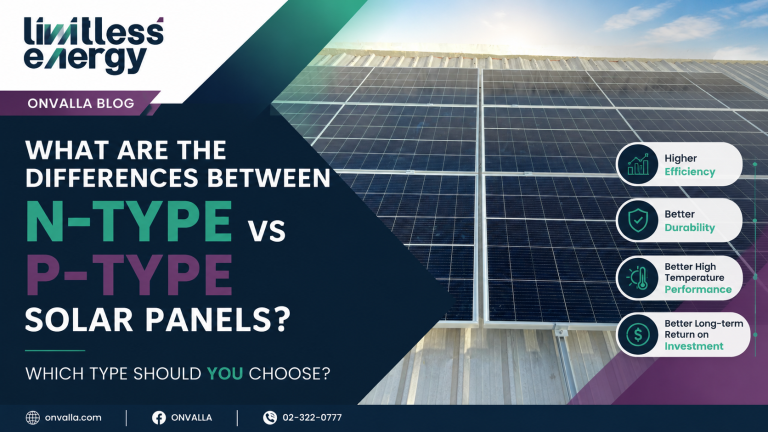
N-type panels use phosphorus-doped silicon for higher efficiency, almost no LID and better heat performance; P-type (boron) costs less. Comparison and how to choose in Thailand.

Overvoltage, overcurrent, residual current (RCD/RCBO), surge protection (SPD) and thermal protection keep an EV charger safe, stable and long-lasting. What happens without them.
Size solar for the next 5–10 years, not just today: a battery-ready inverter, cabinets and main cables sized for expansion, mounting that takes extra panels, and future demand.
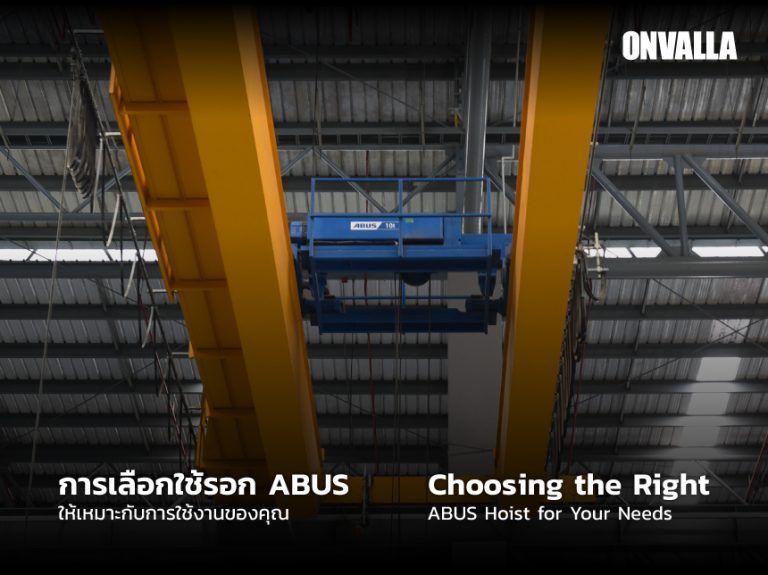
Compare ABUS electric, chain, wire rope and crane hoists, then choose by load capacity, lifting height, lifting speed and operating environment.
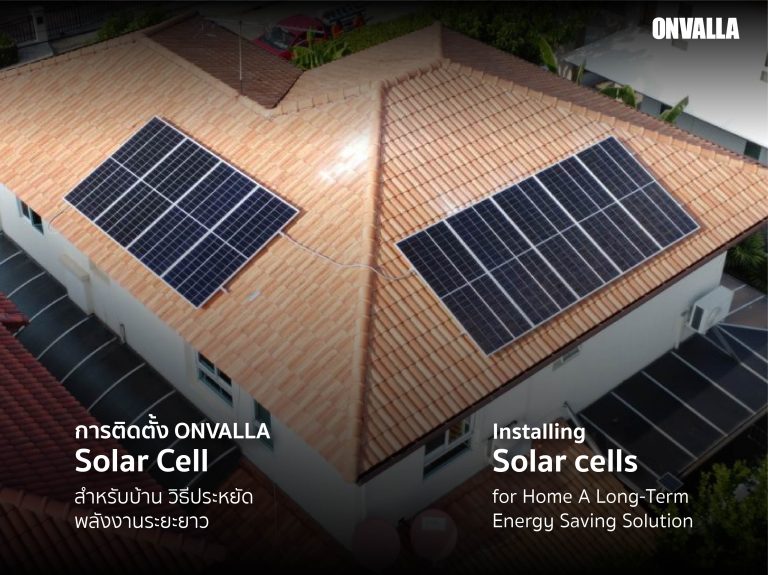
Home solar lowers electricity bills, cuts greenhouse gases and adds property value. Pick a sunny location, choose quality panels and inverters, and use experienced installers.
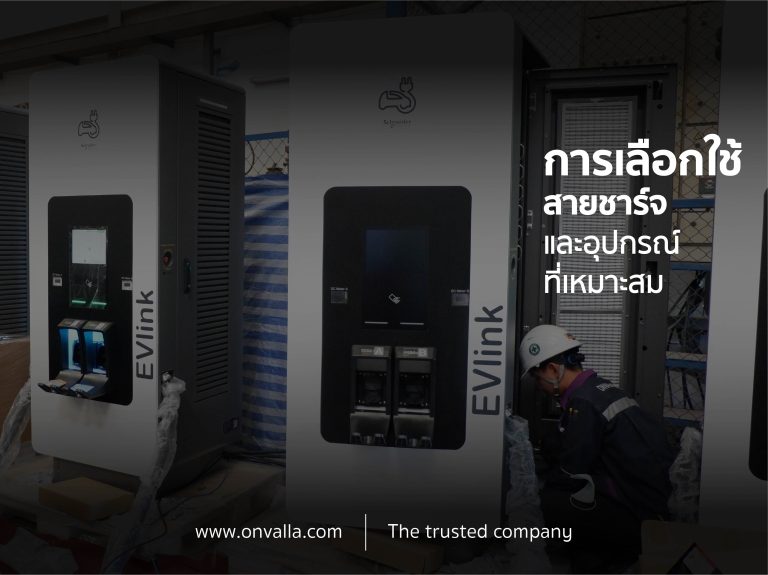
Level 1, Level 2 and DC fast charging explained; Type 1, Type 2, CHAdeMO and CCS connectors; power ratings of 7, 22 and 50 kW+; cable length and safety features.
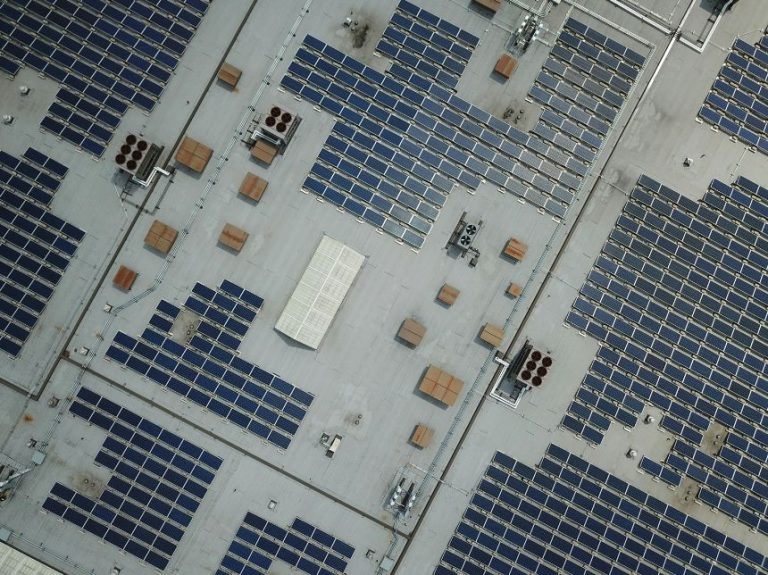
Choose solar panels on lifetime cost, not price: output, 20–25-year life, degradation, IEC/TÜV certification and warranty. Mono vs poly vs thin-film, inverters and payback.