A solar cell (photovoltaic or PV cell) is a semiconductor device that converts sunlight directly into direct-current (DC) electricity. A solar system has two main parts: the solar panels, which generate DC power, and the inverter, which converts it to alternating current (AC) for normal electrical equipment. Systems come in three types: on-grid, off-grid and hybrid.
How Does a Solar Cell Work?
Light is electromagnetic energy. When it strikes the semiconductor in a solar cell, the energy is transferred to the material and sets electrons moving, which creates an electric current that can be used straight away as DC power.
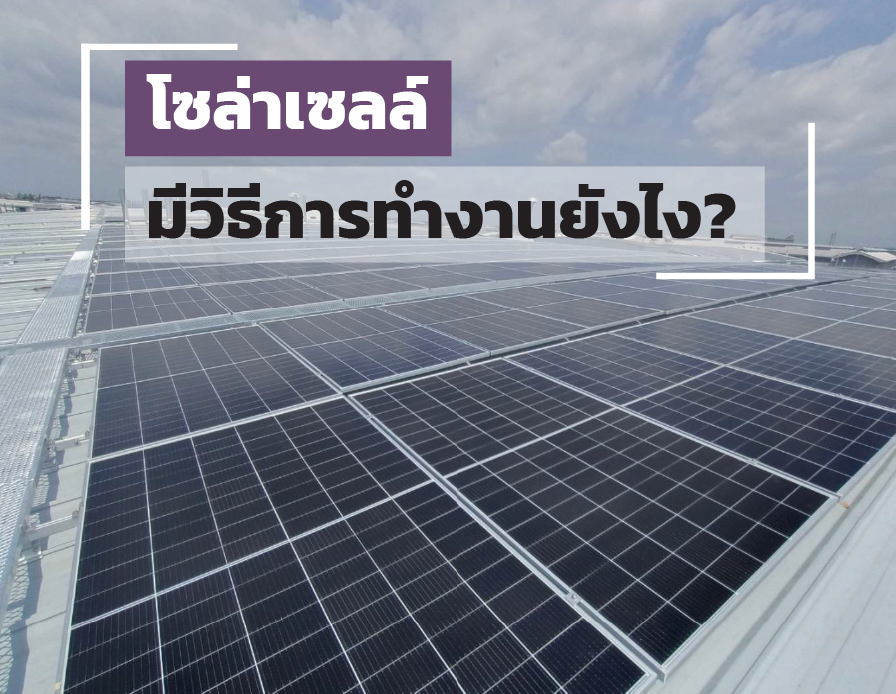
The Two Main Components
| Component | Function |
|---|---|
| Solar panels | Receive sunlight and generate DC electricity |
| Inverter | Converts DC from the panels into AC for use with electrical equipment |
Proper monitoring and maintenance keep the system working at full efficiency and deliver the best long-term value.
On-Grid vs. Off-Grid vs. Hybrid
| System | How it works | Best suited to | Notes |
|---|---|---|---|
| On-grid | Uses utility power and solar power together; no battery; power is used as it is produced | Sites that use most electricity in the daytime | Requires utility permission; most popular; fastest payback; surplus can be sold back under the utility’s programme |
| Off-grid (stand-alone) | Not connected to the utility grid | Remote locations the grid does not reach | No utility permission required |
| Hybrid | Combines utility power, solar power and a battery; surplus is stored for night use | Sites that need power after dark | Cannot sell power back; quality batteries are still expensive, so payback is longer |
Pros and Cons of Solar
Advantages
- Clean energy that does not contribute to global warming
- Unlimited, because sunlight never runs out
- Free daytime power once a standard-compliant system is installed
- Surplus can be sold back to the utility (on-grid, within programme rules)
- Can reduce electricity bills by around 30–70%, depending on system size
- Service life of about 20–25 years, depending on maintenance
Limitations
- Must be installed by an experienced team under an engineer’s supervision
- Daily output varies with weather and sunlight
- Generates power only during daylight
Frequently Asked Questions
Which solar system is most popular?
On-grid, because it has the lowest cost and the fastest payback.
Do I need permission to install an on-grid system?
Yes. On-grid systems connect to the utility network, so permission is required. See the solar rooftop permit process.
For the basics of solar energy for factories, read What Is Solar Energy?. Explore ONVALLA’s solar solutions or request an assessment.