What Is Solar Energy? Solar Systems for Industrial Facilities and What to Consider Before Installation
What solar energy is, how solar systems serve industrial facilities, and what to check before installing a rooftop system at your plant.

Standards, laws, engineering principles and maintenance know-how for cranes, hoists, solar and EV charging.
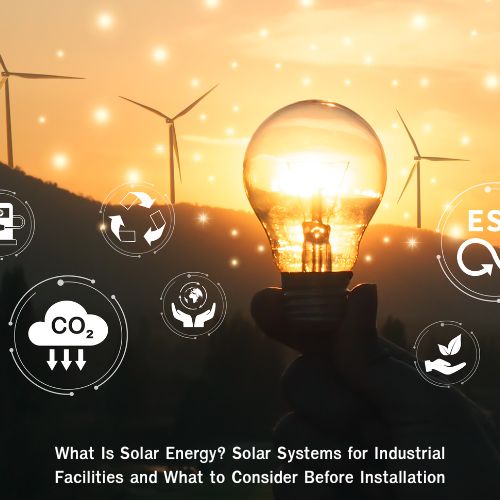
What solar energy is, how solar systems serve industrial facilities, and what to check before installing a rooftop system at your plant.
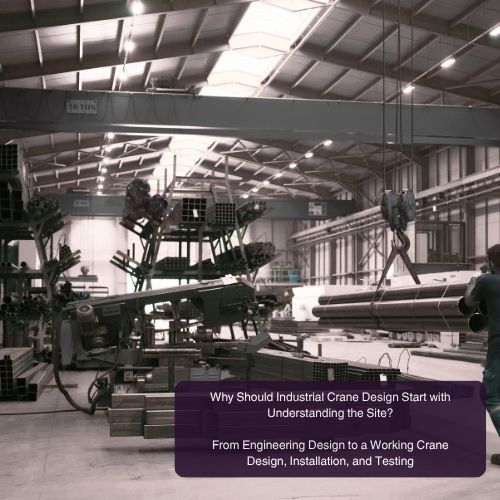
How an engineering design becomes a working crane: design, equipment supply, installation, inspection, adjustment and testing before handover.
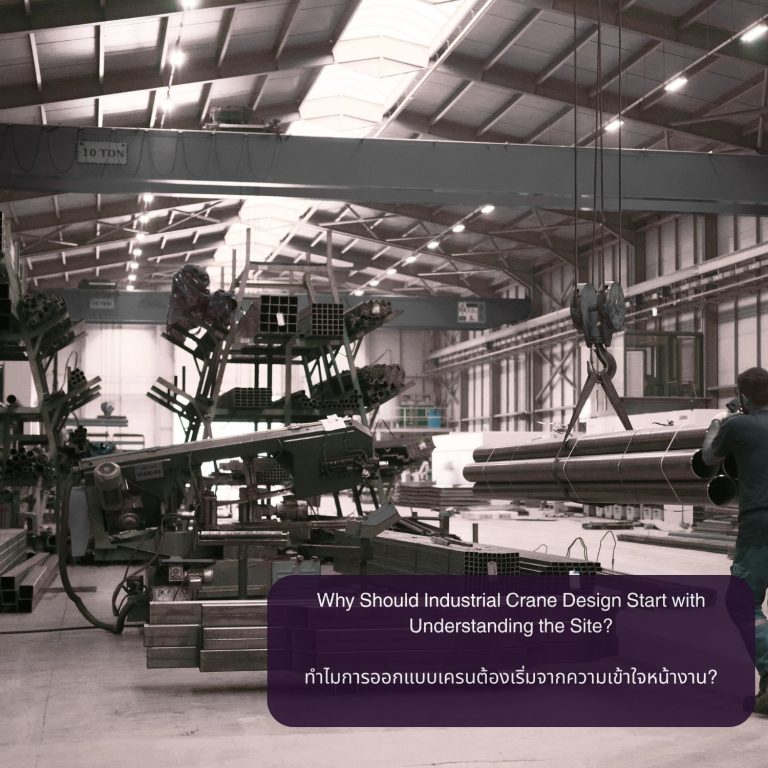
Why crane design should start from the real site: structure, loads, operating frequency and environment decide the right crane, not the catalogue.
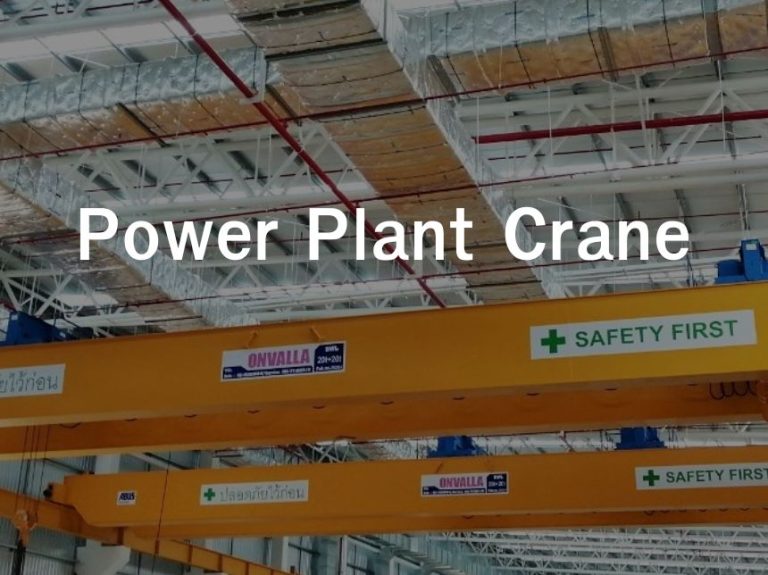
What to specify for power plant cranes: FEM 1.001 or CMAA duty class, IEC 60034 motors, EN 13001 design, redundant brakes, third-party certification, FAT/SAT and handover documents.
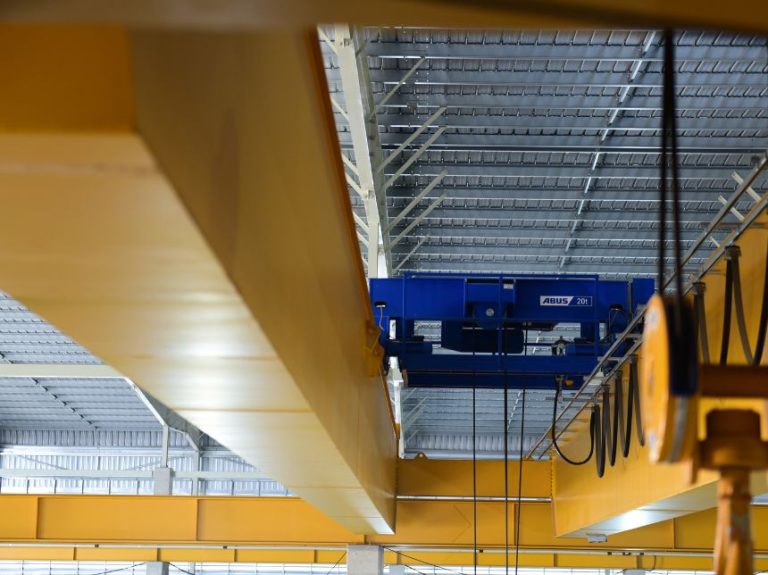
Leading factories, especially in Europe, buy high-quality hoists to protect safety, avoid unplanned downtime and lower total cost of ownership. How to recognise a quality hoist.
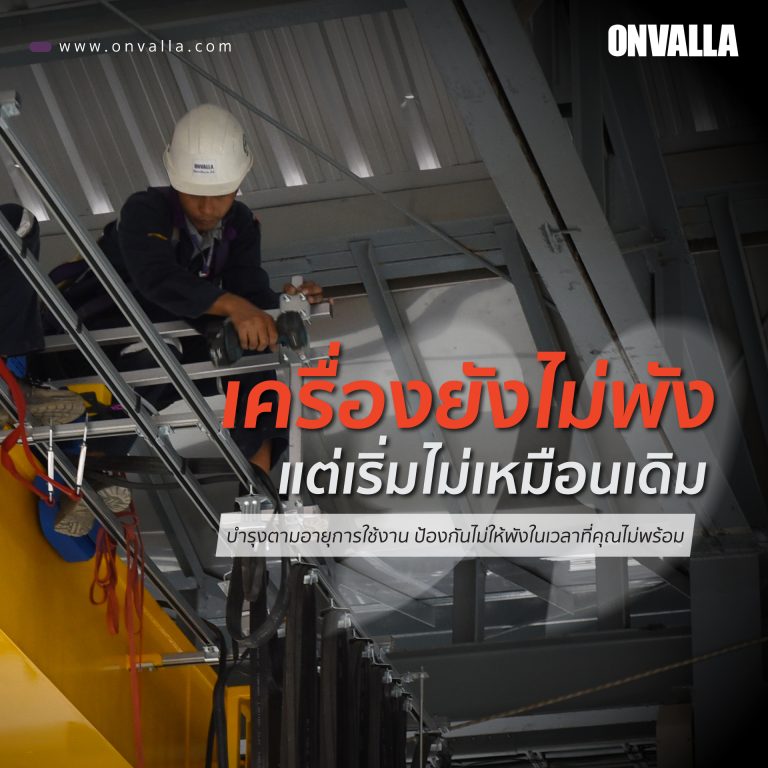
Effective crane PM adds wear measurement and remaining-life estimates, environment-specific care and loaded functional tests to the checklist, so issues are caught before failure.
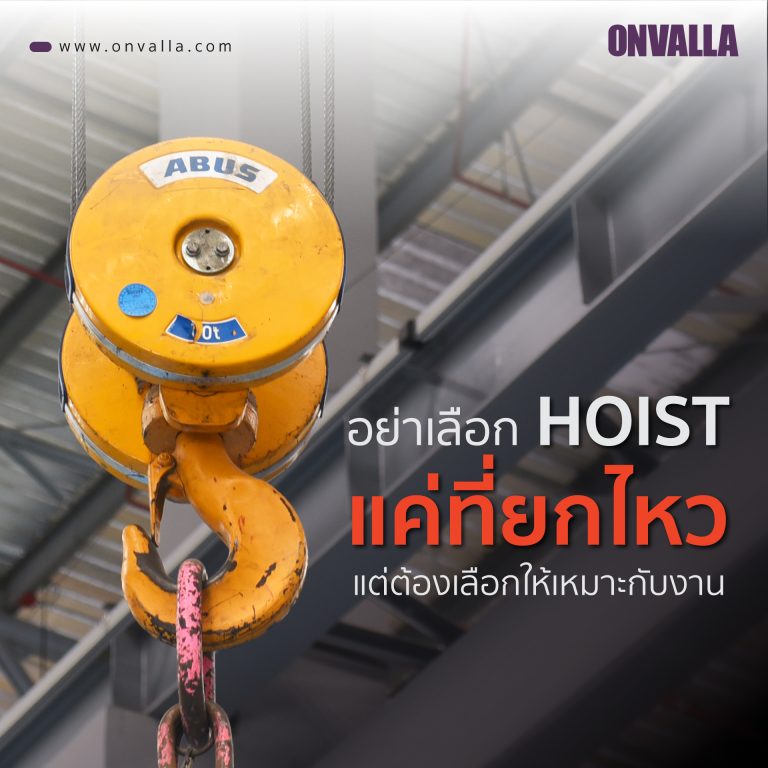
Two hoists lifting the same load can wear out at very different rates. Lifting frequency, start/stop cycles, shock loads and duty cycle decide hoist life, not capacity alone.
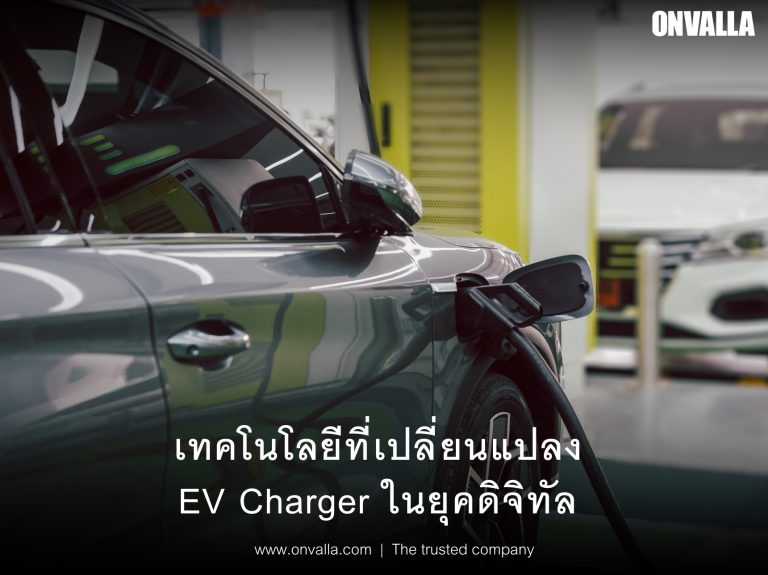
Connected (IoT) chargers, fast charging, wireless charging, smart energy management and bidirectional charging: what each does and how it benefits EV owners and businesses.
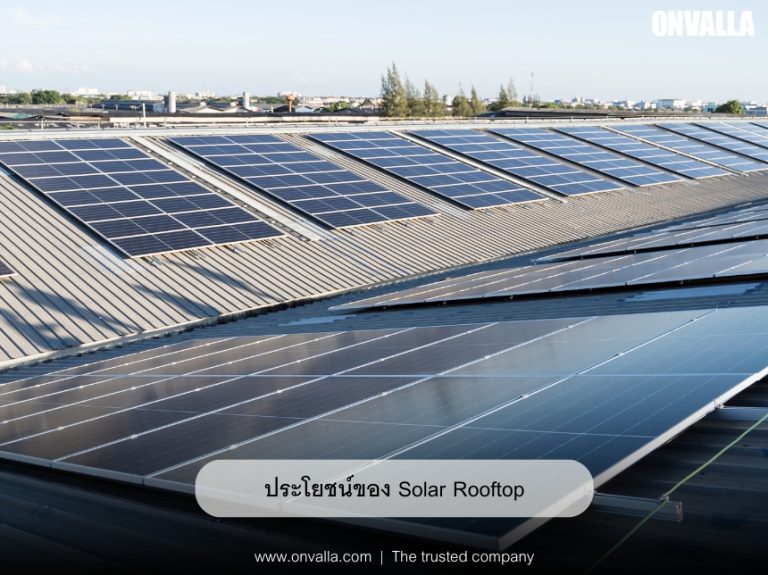
Solar rooftop cuts factory energy and operating costs, strengthens corporate image, reduces greenhouse gases, adds asset value and improves energy security. How to plan it.
EV adoption is driven by government policy, better lithium-ion batteries and consumer demand. Why chargers are essential for convenience, charging speed and safety.