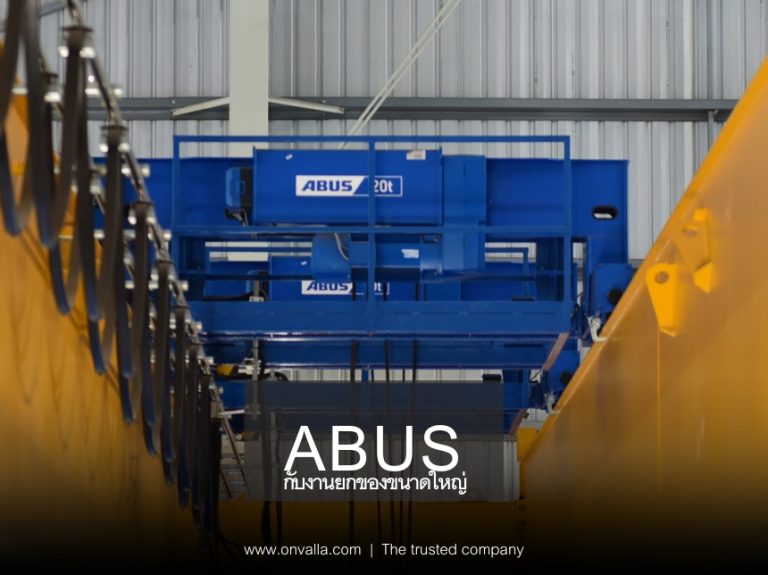
World-class factories invest in high-quality hoists because the cheapest hoist is rarely the cheapest to own. A quality hoist reduces the risk of accidents, keeps production running without unplanned stoppages, and lowers maintenance and energy costs over its life, so its total cost of ownership (TCO) is lower even though the purchase price is higher.
4 Reasons Leading Factories Choose Quality Hoists
| Reason | What it means |
|---|---|
| Less downtime | Low-quality hoists fail more often and stop the line; quality hoists keep operations continuous |
| Better safety | Accurate load handling and built-in protection reduce the risk of lifting accidents |
| Longer life, lower long-term cost | Higher initial cost, but fewer repairs and spare parts over the years |
| Compliance | Equipment built to international standards makes audits and inspections easier |
What Safety Features Do Premium Hoists Have?
Premium hoists, especially those built to European standards, typically include layered (redundant) safety systems:
- Brakes that hold the load even when the electrical supply fails
- Overload protection that stops lifting beyond the rated load
- Precise limit control to prevent collisions and structural damage
- Inverter (VFD) speed control for smooth starts and stops, which protects high-value loads such as moulds and machine parts
Why European Factories Put Such Emphasis on Crane Hoists
European industry is known for three priorities that shape how it buys hoists:
- Strict safety regulation: lifting equipment must meet safety requirements such as the CE mark, and plants aim for a zero-accident culture.
- Maximum uptime: continuous-flow production means one failed hoist can stop the whole line, so fatigue-resistant materials and predictable maintenance matter.
- Lifecycle purchasing: procurement looks at energy, maintenance and lost-production costs over the equipment’s life, not only the initial price.
What Happens When You Choose a “Cheap” Hoist?
- Frequent breakdowns and production stops
- Higher maintenance costs
- Higher accident risk
- Knock-on effects on overall output
How Can You Recognise a High-Quality Hoist?
- International certifications and design standards, such as CE, FEM and ISO
- A manufacturer with a long industrial track record
- Quality construction materials
- Safety features fitted as standard
- A reliable distributor with warranty and after-sales support
For an engineering comparison of design approaches, read European vs. Asian hoists. To see why matching the hoist to its real duty matters, read same load, different hoist lifespan.
Frequently Asked Questions
Does a premium hoist pay back quickly?
For plants with heavy hoist use, savings from reduced downtime and maintenance usually make the payback fast. The more intensively the hoist is used, the sooner the difference shows.
Does ONVALLA survey the site before installing a hoist or crane?
Yes. ONVALLA’s engineers survey the actual site to assess the building structure, calculate load capacity and plan a safe installation.
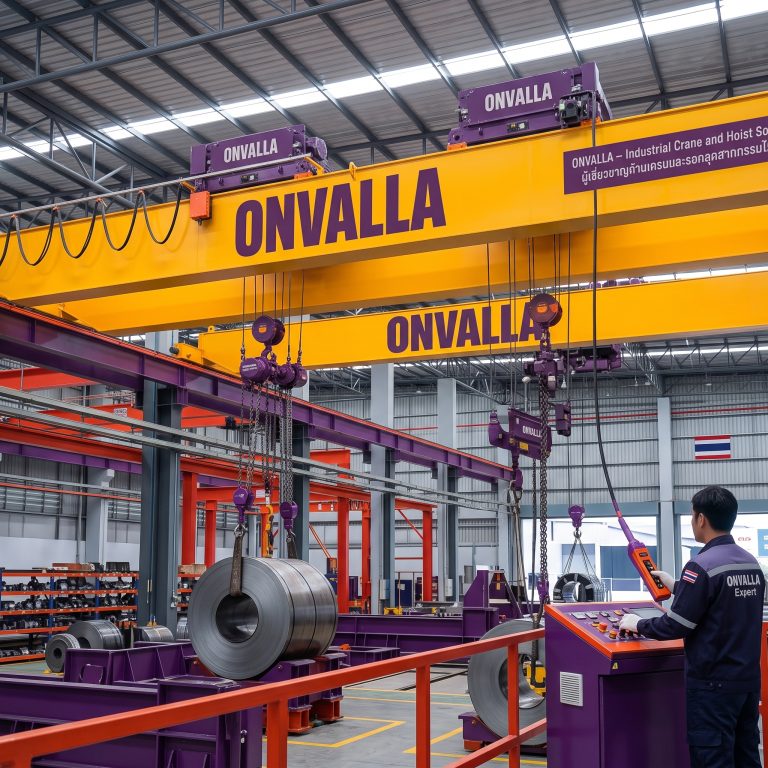
ONVALLA supplies, designs, installs and maintains high-quality crane and hoist systems, including the ABUS range. Talk to our engineers.