How to Choose the Right ABUS Hoist: Types and 4 Selection Factors
Compare ABUS electric, chain, wire rope and crane hoists, then choose by load capacity, lifting height, lifting speed and operating environment.

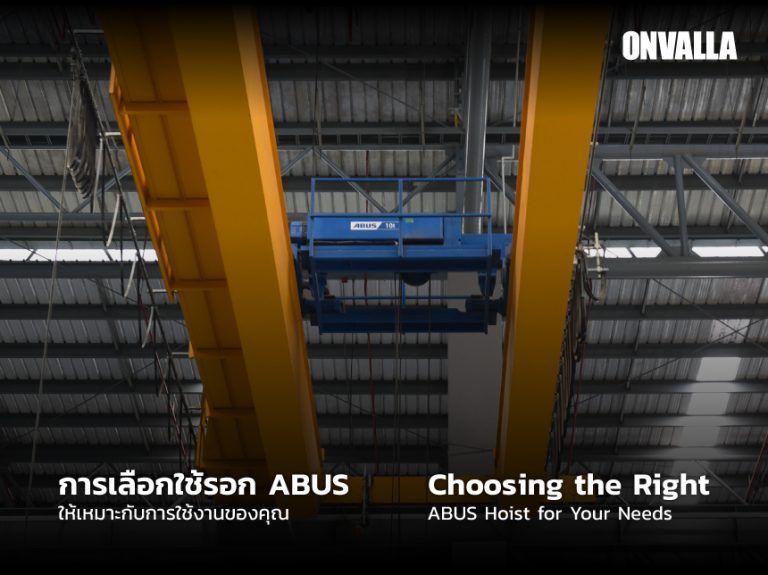
Compare ABUS electric, chain, wire rope and crane hoists, then choose by load capacity, lifting height, lifting speed and operating environment.
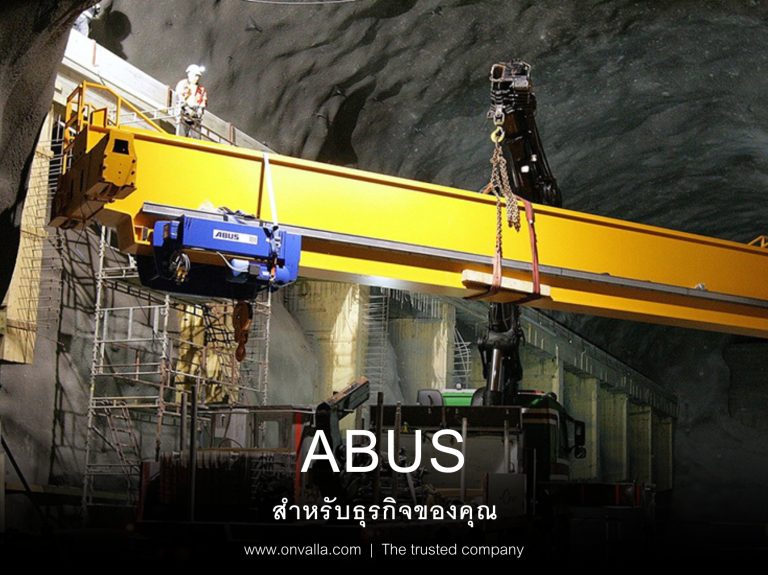
ABUS hoists place the motor under the drum for minimal wall-to-hook distance, use Class F motor windings, IP55 enclosures and a fail-safe DC disc brake with manual release.

Sansiri chose ONVALLA to install 14 ABUS overhead and gantry cranes (20–80 tons) at its precast factories 5 and 6 in Pathum Thani, a THB 1.4 billion project on 100+ rai.
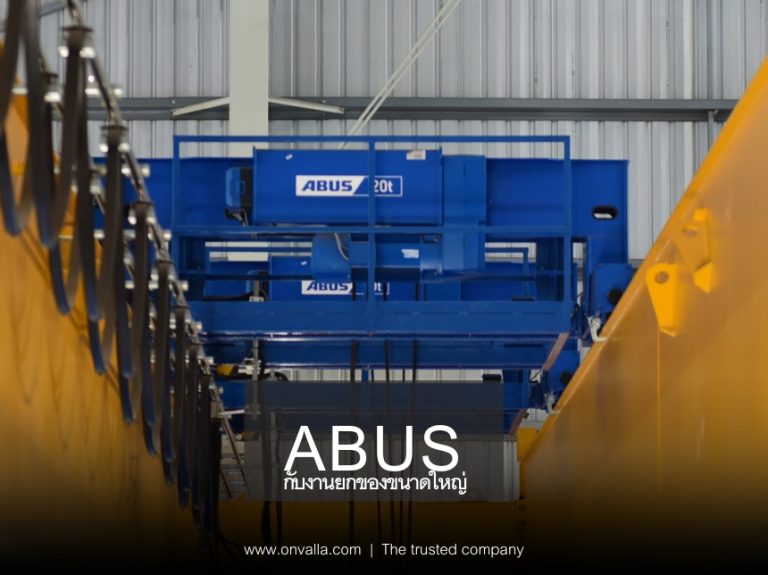
ABUS electric wire rope hoists suit heavy loads in large plants: durable materials, powerful motors, efficient brakes, pendant or radio control, and many models.
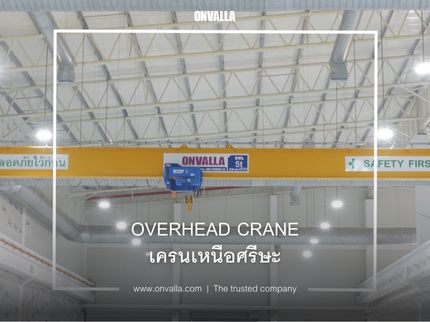
ONVALLA designs single-girder (0.5–20 t), double-girder (2–500 t) and underhung overhead cranes, with double-speed or inverter control, to reduce handling time and risk.

ONVALLA stocks ABUS crane and hoist spare parts, repairs, overhauls and inspects cranes, and issues legal inspection certificates. Five tips for choosing quality crane parts.
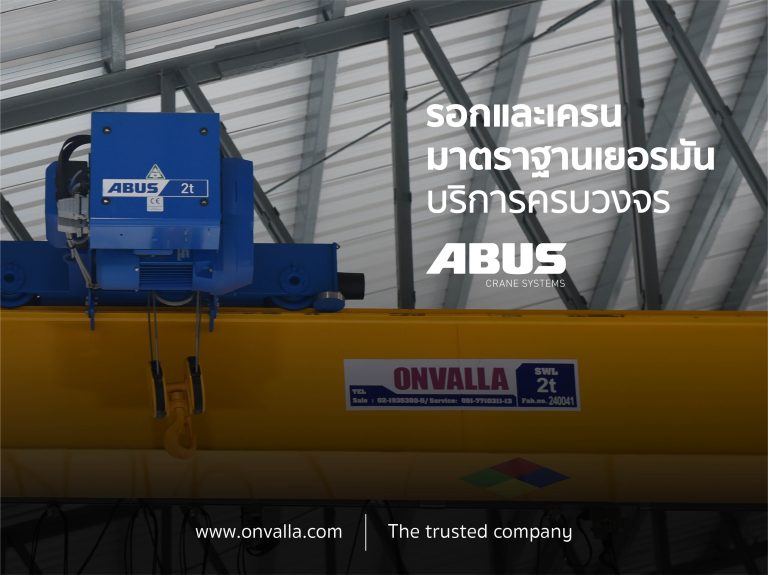
ONVALLA engineers take ABUS crane projects from consultation and runway site survey through design, standard-compliant installation and testing, to after-sales service.
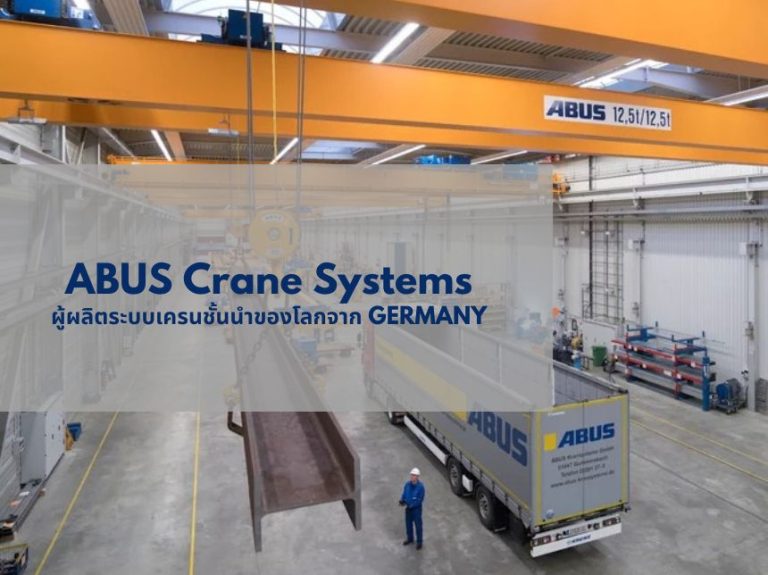
ABUS, founded in Germany in 1969, makes overhead cranes, jib cranes and electric hoists. ONVALLA, ABUS distributor in Thailand, designs, installs, tests and services them.

With more than 30 years of crane manufacturing, ONVALLA developed an Installation Cart built to the customer’s requirements, extending its production capability.

Every item is inspected for defects before it enters the ONVALLA warehouse, and the spare parts team checks stock weekly so ABUS crane customers get parts promptly.