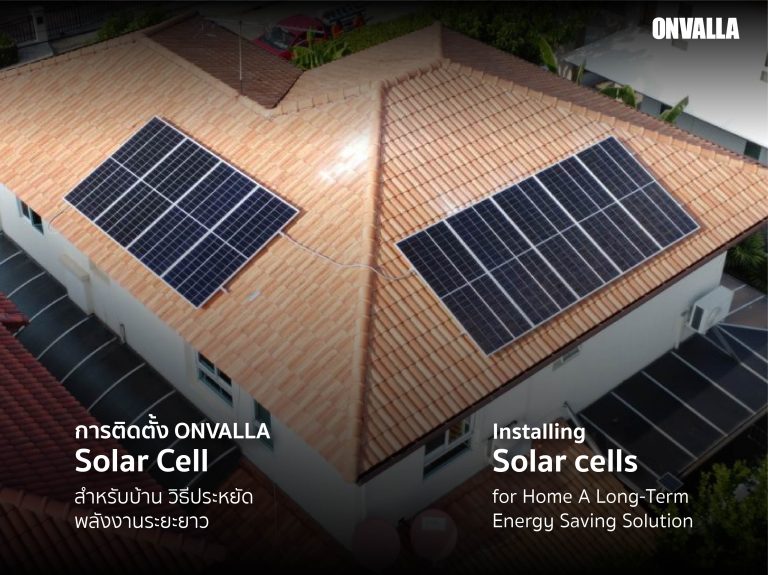
When choosing solar panels, what matters is the lifetime cost, not the purchase price. High-quality panels produce more electricity from the same area, last 20–25 years, degrade more slowly and come with clear standards and warranties, so they usually pay back faster than cheap panels that produce less and need replacing sooner.
High-Quality vs. Low-Cost Panels
| Factor | High-quality panels | Low-cost panels |
|---|---|---|
| Power output | More electricity from the same area | Less energy over time |
| Lifespan | 20–25 years | May degrade faster and need early replacement |
| Maintenance | Fewer failures | More likely to fail or lose efficiency quickly |
| Standards and warranty | Clear standards and reliable warranty | Higher long-term risk |
The hidden costs of cheap panels: lower output, faster degradation, higher replacement and repair costs, and a slower return on investment.
6 Steps to Choosing the Right Solar System
- Check your energy use. Monthly consumption determines the right system size, which drives output and savings. See how to calculate system size.
- Choose the panel type (compared in the table below).
- Choose a quality inverter that can fully handle the array’s output, since it converts the panels’ power for use.
- Check certification. Choose reputable manufacturers with standards such as IEC or TÜV.
- Use an experienced installer and plan maintenance. Correct installation raises output and extends system life.
- Calculate payback and check incentives. Payback is typically 5–10 years depending on use and system size; check for government support that lowers the initial cost.
| Panel type | Strengths | Trade-offs |
|---|---|---|
| Monocrystalline | High efficiency, durable; good where space is limited | Higher price |
| Polycrystalline | Lower price, good efficiency | Less efficient than monocrystalline |
| Thin-film | Suits large areas and limited budgets | Lower efficiency |
For the newer cell technologies, read N-type vs. P-type panels.
Why It Pays Off
Solar reduces monthly bills, pays back within a few years and then keeps saving, and protects you from volatile energy prices. Choosing on quality, output and after-sales service gets the most from the investment.
Frequently Asked Questions
How long do quality solar panels last?
About 20–25 years.
Which panel type suits a limited roof?
Monocrystalline, because its higher efficiency produces more power per square metre.
How long is the typical payback?
Typically 5–10 years, depending on electricity use and system size.
ONVALLA uses Tier 1 panels such as Trina Solar. Ask for free advice or see our solar solutions.