Five technologies are reshaping EV chargers: internet-connected (IoT) chargers that report status in real time, fast charging that cuts charging time, wireless charging that removes the cable, smart energy management that charges when power is cheaper or greener, and bidirectional charging that lets the car supply power back to a building or the grid.
The 5 Technologies
| Technology | How it works | Benefit |
|---|---|---|
| IoT connectivity | Chargers connect to the internet; users check charging status, usage and history in real time on a smartphone app | Convenience and efficient control |
| Fast charging | High power shortens battery charging time | Less waiting, easier long trips |
| Wireless charging | Park over a charging pad without plugging in | Simpler, more convenient charging |
| Smart energy management | Adjusts charging to times when electricity is cheaper or renewable supply is high | Lower charging costs and environmental impact |
| Bidirectional charging | The EV can send energy back to the home or grid | Flexible energy use; the car becomes backup power in emergencies |
What This Means for Businesses
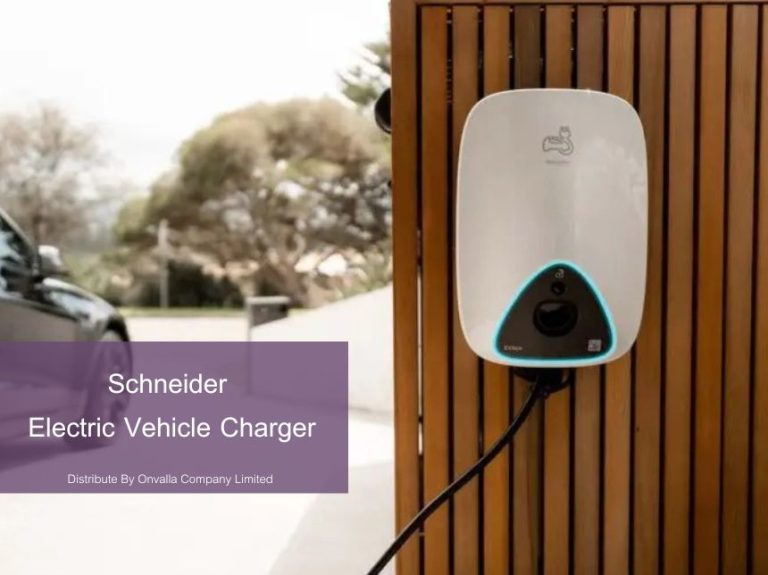
Connected and smart-managed chargers make it practical to run charging as a service, share power across many vehicles and integrate with on-site solar. For business sites, open communication standards matter; see Schneider chargers and OCPP. For pairing chargers with solar, see designing solar for the future.
Frequently Asked Questions
What is smart energy management in an EV charger?
A system that schedules charging for times when electricity is cheaper or renewable energy is abundant, reducing cost and environmental impact.
What is bidirectional charging?
Technology that lets an EV supply energy back to a home or the grid, so the car can act as backup power.
These technologies make charging more convenient, efficient and affordable. See ONVALLA EV chargers, the EV charger page, or contact us.