Under Thai law, cranes (“pan chan”, abbreviated ปจ.) are divided into two types: fixed cranes (ปจ.1, Por Jor 1) and mobile cranes (ปจ.2, Por Jor 2). Both must be inspected and load-tested by a mechanical engineer at intervals that depend on the crane’s rated capacity and use. Skipping these inspections exposes the business to fines, shutdown orders and, if an accident happens, legal liability.
What Is a “Pan Chan” (ปจ.)?
A pan chan, or crane, is a machine that lifts objects vertically and moves them while suspended. Thai legal texts use the term ปั้นจั่น rather than the loanword “crane”, and abbreviate it as ปจ.
Por Jor 1 vs. Por Jor 2
| Type | Definition | Examples |
|---|---|---|
| ปจ.1 Fixed crane | A crane installed in a fixed position, on a structure, rail or tower | Overhead cranes, gantry cranes, jib cranes, tower cranes |
| ปจ.2 Mobile crane | A crane mounted on a vehicle that can travel | Mobile cranes, truck-mounted cranes, crawler cranes |
How Often Must Cranes Be Inspected?
| Use | Rated capacity (manufacturer’s safe working load) | Inspection interval |
|---|---|---|
| Construction work | Up to 3 tons | Every 6 months |
| Construction work | More than 3 tons | Every 3 months |
| Other work | 1–3 tons | Every year |
| Other work | More than 3 tons up to 50 tons | Every 6 months |
| Other work | More than 50 tons | Every 3 months |
A crane that has been out of use for 6 months or more, or that has been repaired, must be inspected again before it returns to service.
Load Testing
The Ministerial Regulation on machinery, cranes and boilers (as updated in B.E. 2564 / 2021) requires load tests to be carried out by a mechanical engineer. For a crane already in use, the test load is 1.25 times the maximum load actually lifted, but not more than the manufacturer’s rated safe working load; if there is no manufacturer rating, the engineer sets the test load. For new cranes, the regulation sets test loads by capacity band; for example, a new crane rated above 20 tons and up to 50 tons is tested at its rated load plus 5 tons.
What Are the Legal Risks of Skipping Inspections?
- Breaking the law and fines: not inspecting on schedule is non-compliance with safety law and can lead to penalties when inspected.
- Shutdown orders: if equipment is found unsafe, the authorities can order the crane, or the plant, to stop.
- Criminal liability after an accident: if an uninspected crane causes an accident, those responsible may be prosecuted.
- Damage to reputation: non-compliance erodes the trust of customers and partners.
Common Misconceptions
- “If it isn’t broken, it doesn’t need inspecting.”
- “Inspection is a cost, not an investment.”
- “We’ll fix it when there’s a problem.”
Regular inspection is not only about safety; it is a legal safeguard that lets the business operate with confidence. Inspections complement, but do not replace, preventive maintenance.
Frequently Asked Questions
Is an overhead crane Por Jor 1 or Por Jor 2?
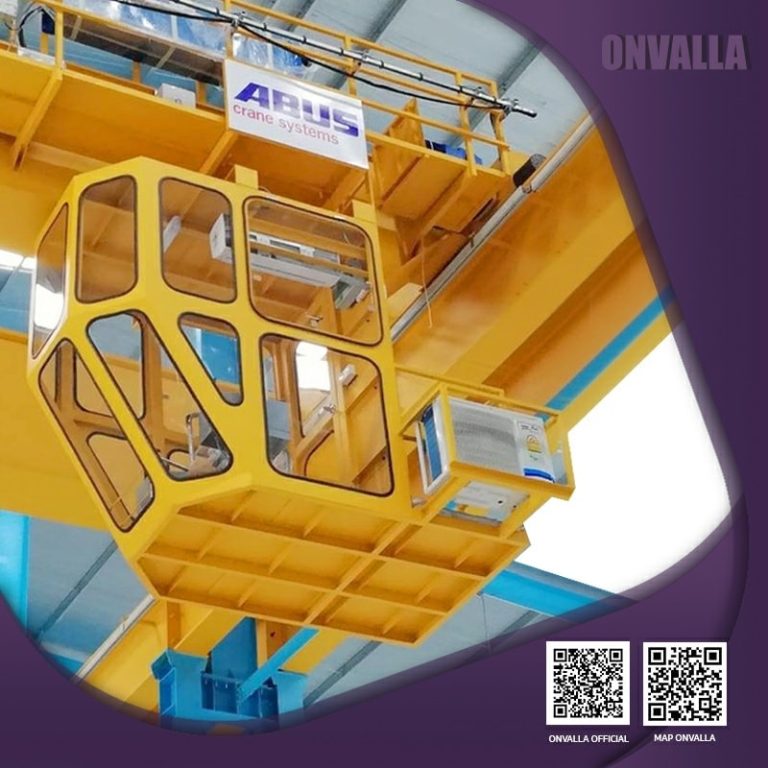
An overhead crane is fixed in position, so it falls under Por Jor 1 (fixed crane).
Who may carry out the load test?
A mechanical engineer, as required by the Ministerial Regulation.
Does a crane need re-inspection after repair?
Yes. A crane that has been repaired, or not used for 6 months or more, must be inspected before being used again.
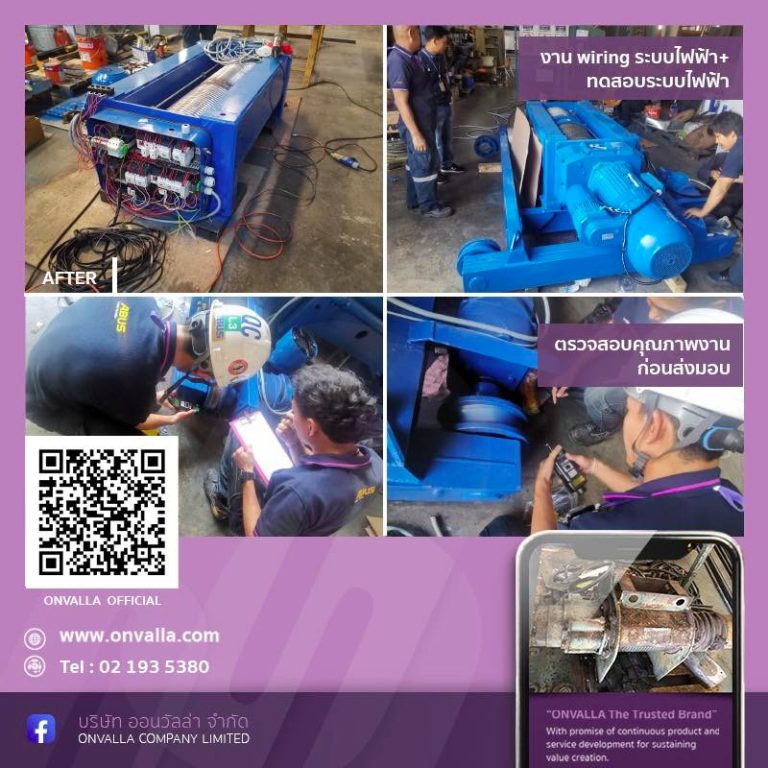
ONVALLA provides crane inspection and testing as part of its after-sale service. Contact us to schedule an inspection.