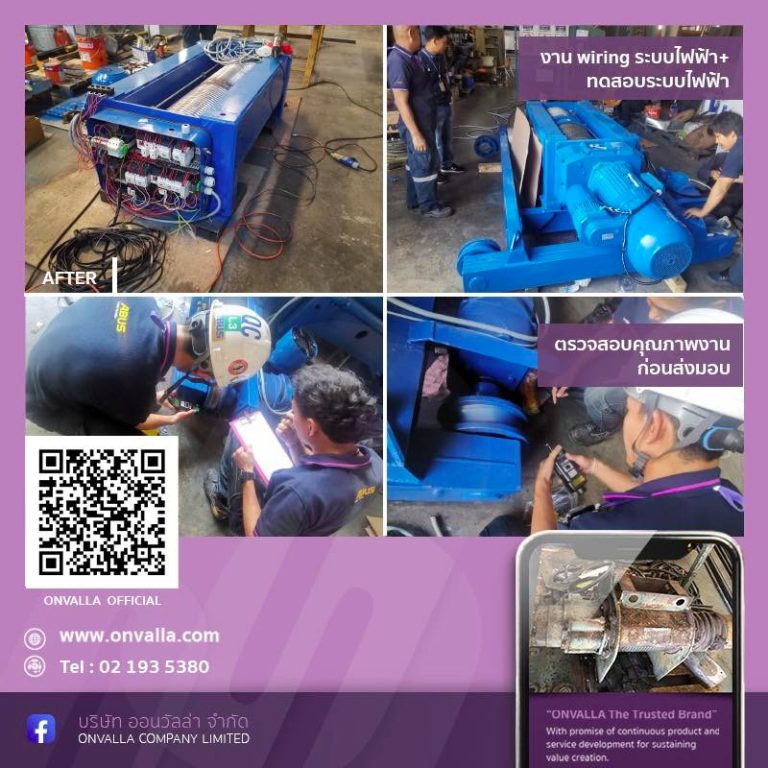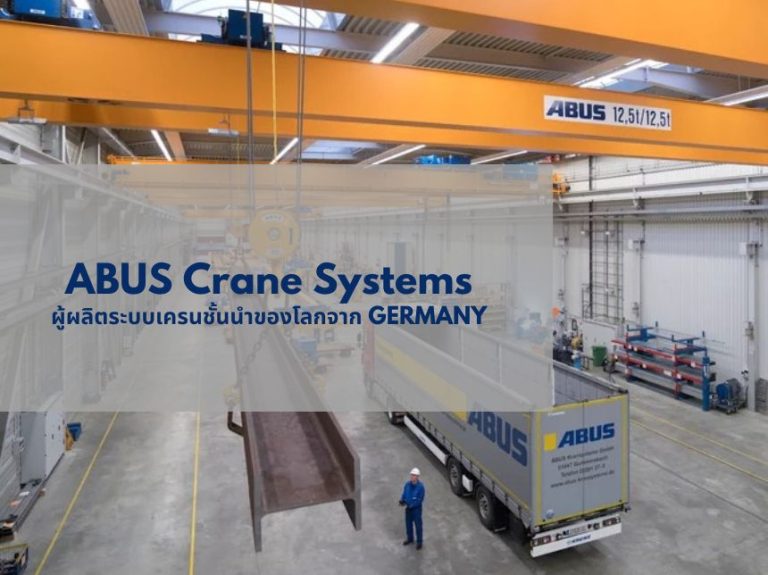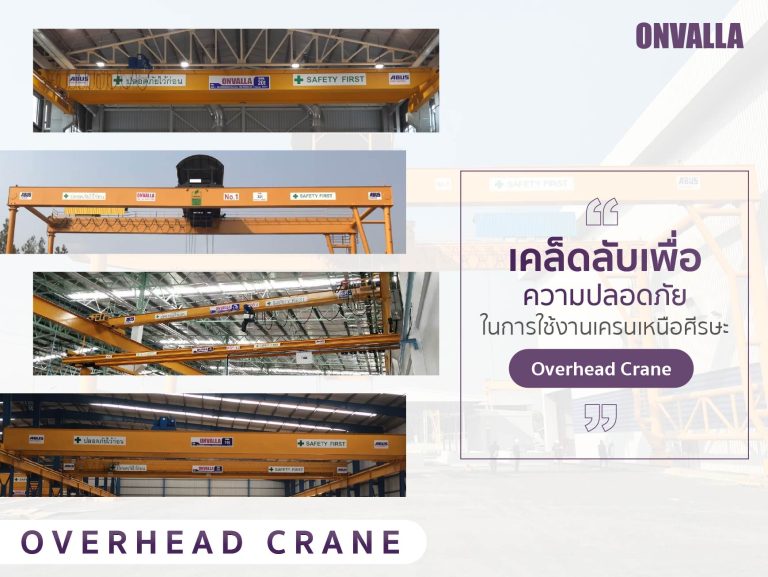
Choose an electric chain hoist for light to medium loads, moderate lifting height and simple installation on a lower initial budget. Choose an electric wire rope hoist for heavy loads, high lifts, speed under heavy load, or continuous work over several shifts a day.
Key Takeaways
- ABUS ABUCompact chain hoists cover loads up to 4 t; ABUS wire rope hoists cover 1 to 120 t.
- Between 1 and 4 t both types work. Decide by hook path, working cycle and positioning accuracy.
- Either type must match the real duty class, not only the rated load.
Chain Hoist vs. Wire Rope Hoist: 7 Differences
| Aspect | Electric chain hoist | Electric wire rope hoist |
|---|---|---|
| Lifting medium | Steel chain over a chain wheel, stored in a chain bag | Wire rope wound on a drum |
| Capacity | Light to medium (ABUCompact up to 4 t) | Medium to very heavy (ABUS 1–120 t) |
| Lifting height | Limited by chain length and chain bag size | Long hook paths depending on drum length |
| Lifting speed | Moderate, fast at light loads | Holds speed better at heavy loads |
| Hook position | Vertical lift with no sideways drift along a drum | May drift along the drum; some reevings give true vertical lift |
| Maintenance | Lubricate chain, check elongation and wear | Check broken wires, wear and drum grooves |
| Initial budget | Lower | Higher |
Which One Fits Your Site?
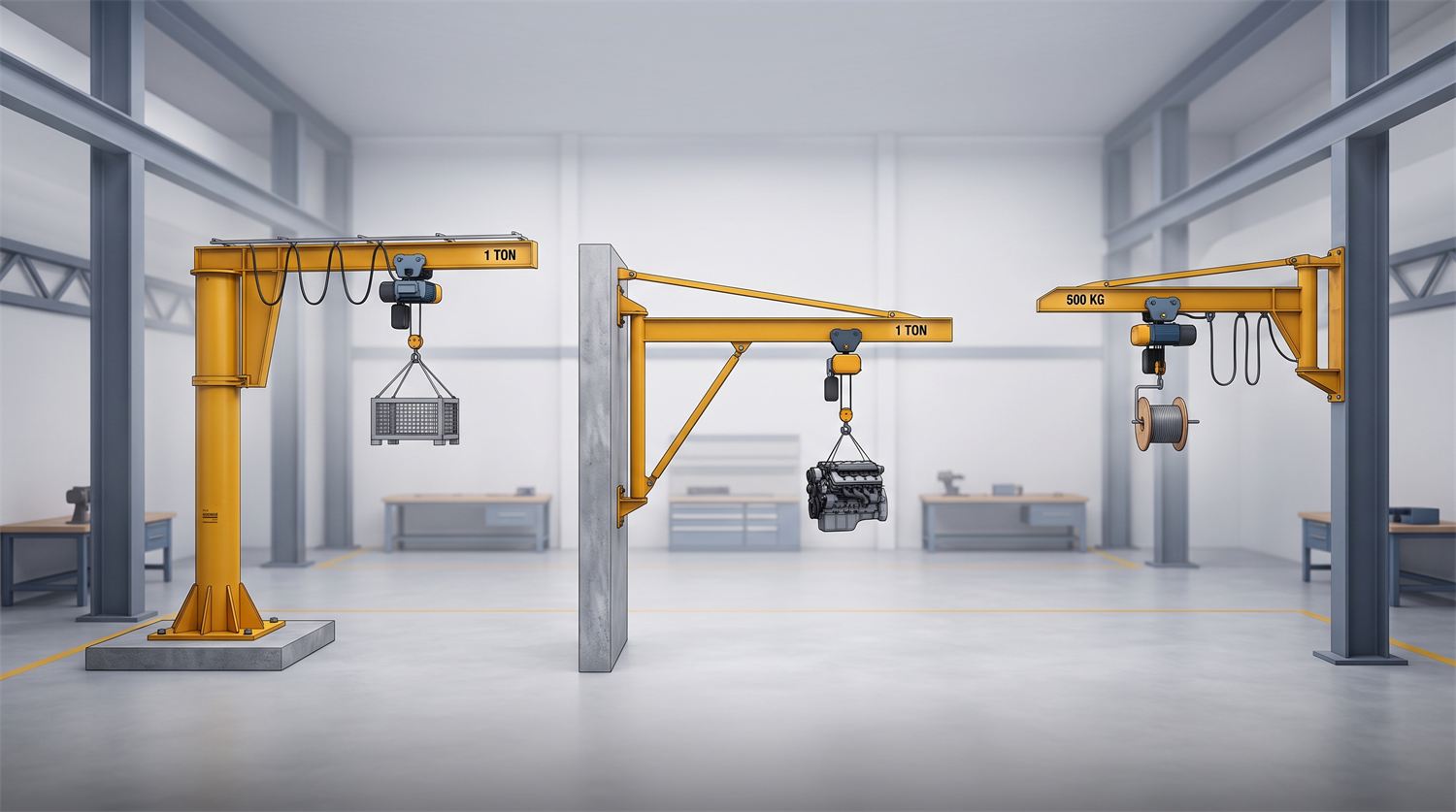
- Assembly stations and production lines: ABUS ABUCompact chain hoist on a jib crane or HB-System
- Steel stockyards and structural work: ABUS wire rope hoist on a single or double girder crane
- General work on a budget: EGON hoists, see models at egonhoist.com
- Hazardous areas: explosion-proof hoists only, see STAHL at alla.co.th
What About the 1–4 t Overlap?
| Site condition | Usually the better fit |
|---|---|
| Moderate height, intermittent use, limited budget | Chain hoist |
| Tight space, small and light hoist needed | Chain hoist |
| Very high lift or heavy lifting over several shifts | Wire rope hoist |
| High speed near full load | Wire rope hoist |
4 Questions to Answer First
- How heavy is the heaviest load, and how often do you lift near full capacity?
- How many metres must you lift?
- How many lifts per hour and shifts per day?
- How precisely must the load be placed?
Answers 1 and 3 determine the duty class. See the FEM and ISO duty class guide.
Frequently Asked Questions
Can an electric chain hoist run all day?
Yes, if its duty class matches the working hours. If the class is too low, the motor overheats and parts wear quickly. See why hoists with the same load have different lifespans.
Can I replace a chain hoist with a wire rope hoist on the same beam?
An engineer must first check the hoist weight, beam strength and headroom, because a wire rope hoist is usually heavier at the same capacity. Any change to the load-bearing structure needs engineering calculation and testing under clause 63 of the 2021 Ministerial Regulation.
When should chain or rope be replaced?
When inspection finds wear, elongation, broken wires or deformation beyond the manufacturer’s limits, not by age alone.
Which is easier to maintain, a chain hoist or a wire rope hoist?
A chain hoist has fewer inspection points and the chain is easier to change. A wire rope hoist needs regular checks of rope, drum grooves and rope guide, but copes better with continuous heavy duty.
Send Your Site Details to ONVALLA
Send site photos, load weight and lifting height by LINE or form, and our engineers will recommend a suitable hoist. Browse the hoist page and ABUS hoists.